
Read the crop
Choose healthy plants, understand pollination and retain enough diversity for the next generation.
Seed saving · seed sovereignty · workshops
Practical learning in how to select, process, label, store and exchange seed—so that the next season begins with knowledge as well as material.
A practical course format
The workshop can run as a focused half-day guest session or a full-day course, with crop-specific demonstrations and time for participants to practise. The teaching draws on my seed-saving manual and practical work with ACT.
Food security and agrobiodiversity; heirloom and open-pollinated seed; and clear distinctions between hybrid, GMO and organic seed.
Flower biology, plant selection, genetic diversity and practical isolation methods, including caging and hand pollination.
Harvest timing, wet and dry processing, cleaning and drying, with crop-specific demonstrations such as tomato-seed cleaning.
Labelling, packing, threshing maize and beans, storage conditions and an optional participant seed exchange.
We adapt the sequence to the crops, season and seed available. Bring seed from your garden for the practical work and an optional exchange.
Seed sovereignty
Seed sovereignty is the practical ability of people and communities to retain meaningful control of seed, selection, storage and exchange. That control depends on repeatable skills, clear records and the confidence to carry the work into another season.
Choose healthy plants, understand pollination and retain enough diversity for the next generation.
Harvest, thresh, clean and dry seed with methods suited to the crop and the equipment available.
Label and store seed so that variety, season and source remain usable knowledge rather than memory alone.
Field workshop · March 2023
A seed-saving workshop in QwaQwa, Free State, in March 2023: harvesting dry beans, shelling pods, and sieving and winnowing amaranth seed.
A seed-saving workshop in QwaQwa, Free State, March 2023. Participants harvest and shell dry beans, then sieve and winnow amaranth seed.
Paid photography commission · June 2019
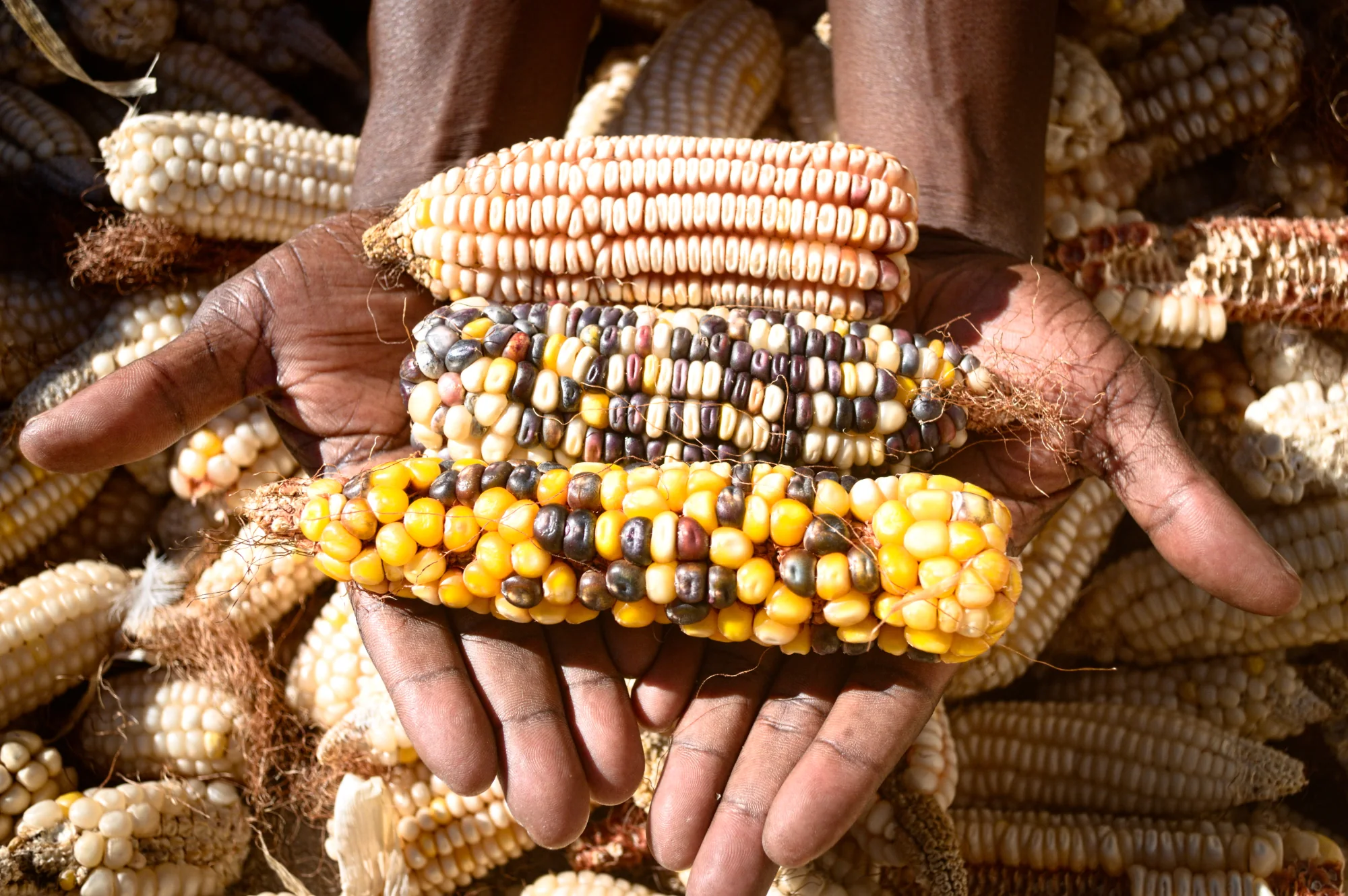
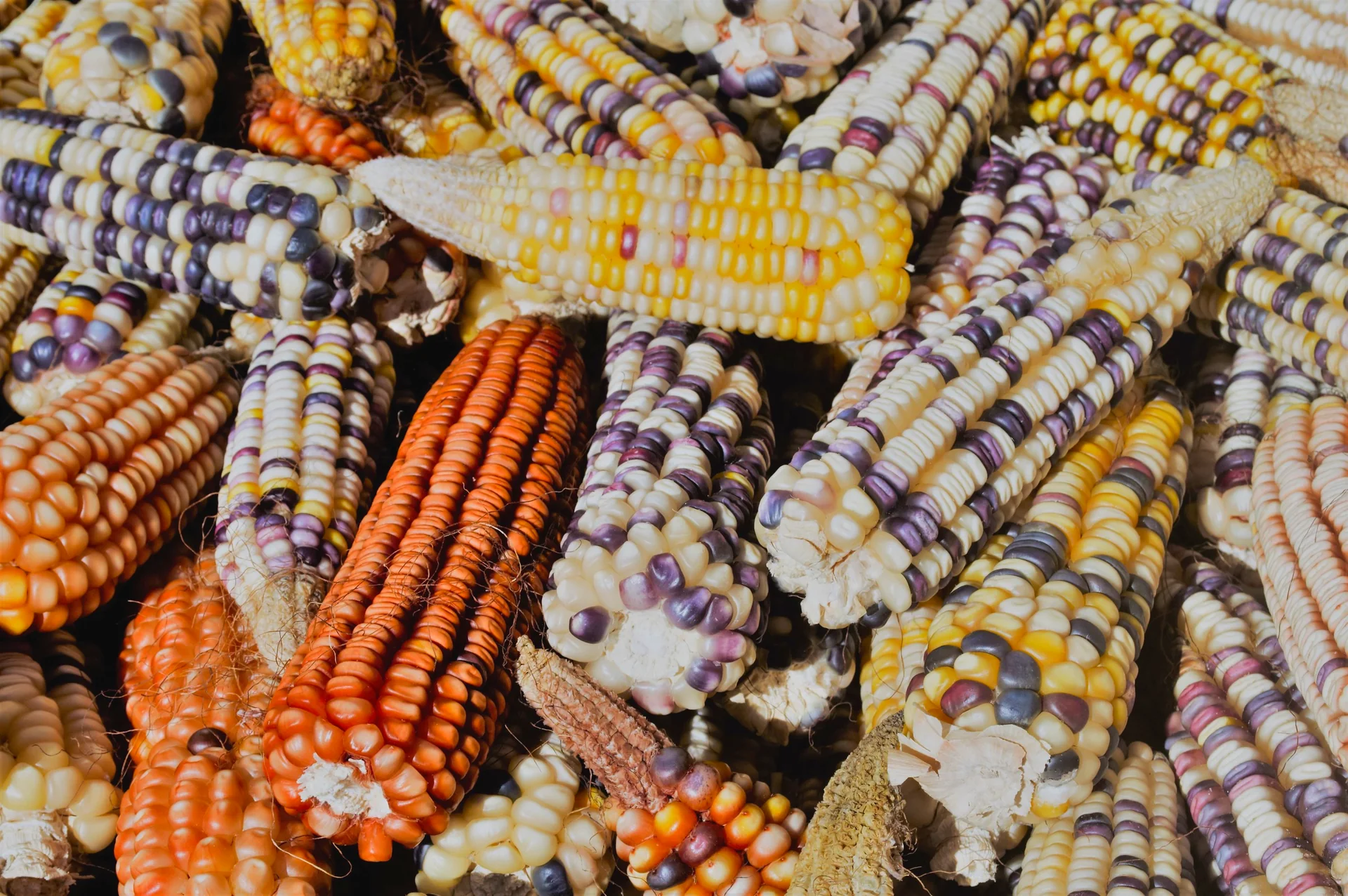
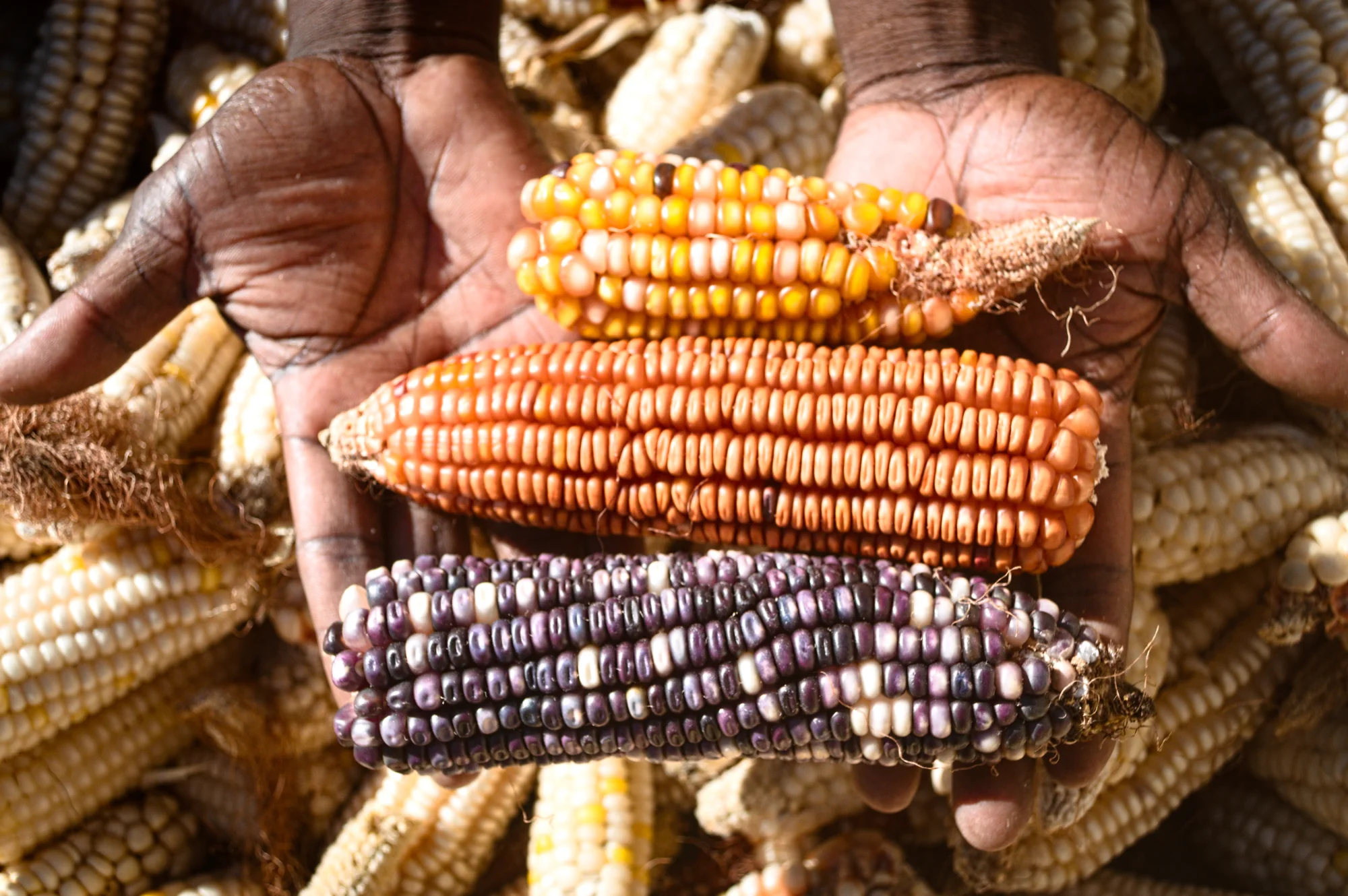
Rory photographed maize at Oscar's farm for the BrackenHill Craft Distillery Rural Farmers Partnership Project. The participating farming community was near Ulundi in eMakhosini; the distillery was near Durban.
The assignment documented traditional maize within the rural farmers partnership. It was a commissioned photography and video job completed in June 2019.
Course material · developed in 2013
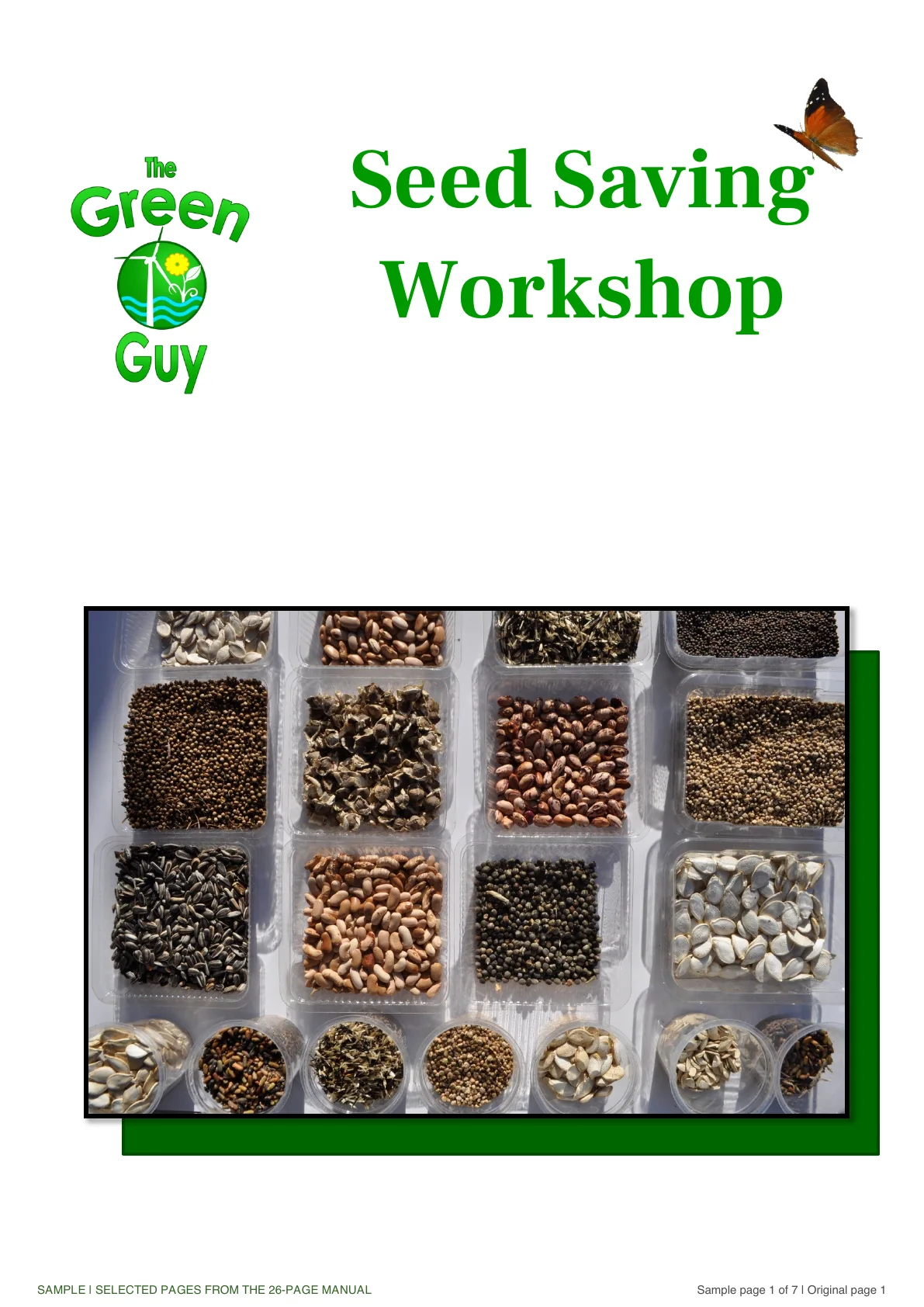
Rory developed the ACT seed-saving workshop manual in 2013, with later editing and a refreshed-photo edition circulated in 2015. It covers seed types, pollination, selection, harvesting, processing and storage.
The downloadable sample includes the cover, contents and a selection of introductory and practical pages. Every page is marked as a sample from the 26-page manual.
Download the manual sampleThe complete course manual is supplied through a training engagement. Contact Rory to discuss the workshop, audience and course materials.
Book a workshop
Share the group size, location, available time and the seed participants can bring. Rory can then plan the demonstrations, materials and optional exchange around the setting.